
Heartmemo introduces its emotional companion brain for home robots
Built for multiple family members: three-layer memory connects understanding, decisions, and action for companionship through everyday life.
On October 18, 2026, Heartmemo introduced its emotional companion brain for home robots during a livestream. Founder and CEO Zhang Kai announced the release and set out the company’s mission: love and companionship for everyone. The event covered three-layer, multi-user family memory, BSLA companion decisions, embodied action, and Kangkang’s next research priorities.
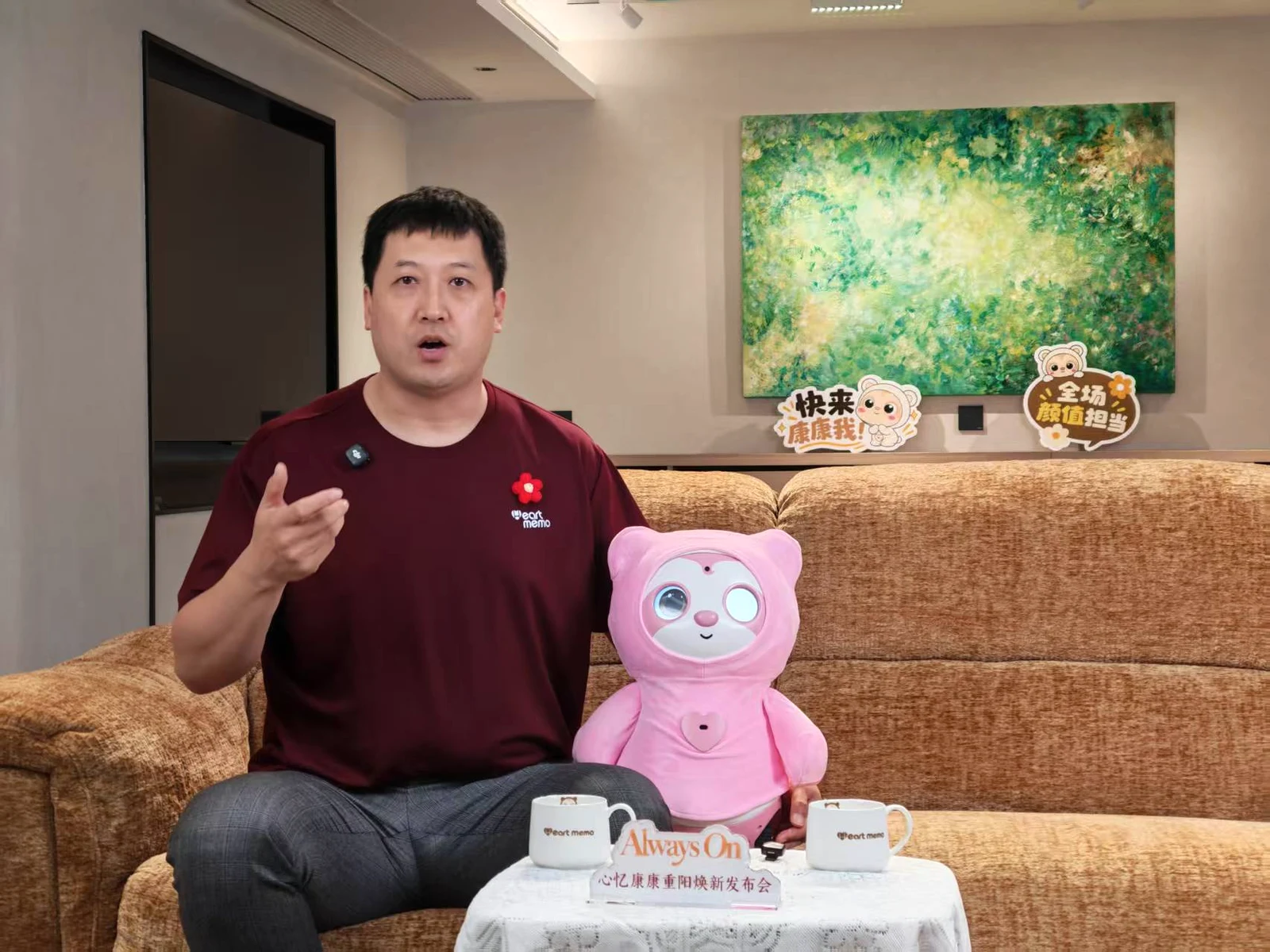
Bringing the mission into everyday family life
Zhang Kai announced the emotional companion brain as part of Heartmemo’s mission: love and companionship for everyone. For Heartmemo, the value of the technology lies in entering real homes and addressing the need to be understood, remembered, and accompanied through shared life.
Love and companionship for everyone
A home includes different people, ways of expressing themselves, and relationships that change over time. The emotional companion brain is designed for this multi-user setting, connecting present conversation, conversational intent, and memory built through long-term interaction.
From conversation to embodied companionship for the whole family
The technical approach connects multi-user family memory, companion decisions, and embodied action. Memory provides cues about people and context; decisions consider when and how to respond; action brings that response into the physical home.
Dr. Wang Hu, Heartmemo’s CAIO, discussed recent progress in more natural conversation, considerate initiative, and smoother movement. The team continues work on coordination between memory, decisions, and mobility.
Multi-user family memory: context, intent, and long-term memory
Heartmemo’s family memory system serves different household members through three layers: context memory is the first, intent memory the second, and long-term memory the third. Together, they support understanding across ongoing interactions.
One home. Multiple people. Three memory layers.
Layer 1 · Context memory
Follows the current conversation, keeping names, references, and successive statements connected.
Layer 2 · Intent memory
Considers what a person wants to express or work toward, keeping ongoing conversation focused on that intent.
Layer 3 · Long-term memory
Within family-authorized settings, connects preferences, significant experiences, and relationship cues to inform continued interaction.
The focus includes both continuity over time and distinctions between family members. Who is speaking, what they want to communicate, and their shared experiences provide cues for companion decisions.
BSLA companion decisions: translating understanding into an appropriate response
The challenge includes whether to respond, when to respond, and how to respond—not only what to say. The BSLA framework combines behavior, emotional cues, and language with multi-user family memory, using rules and models together to inform timing and response.
Embodied action: connecting context with the physical home
A robot’s response may be speech or approaching someone in a suitable home space. Perception, navigation, motion control, and language interaction need to work together. Heartmemo continues work on sensor fusion, path planning, obstacle avoidance, and charging so that the emotional companion brain and Kangkang’s body can act in coordination.
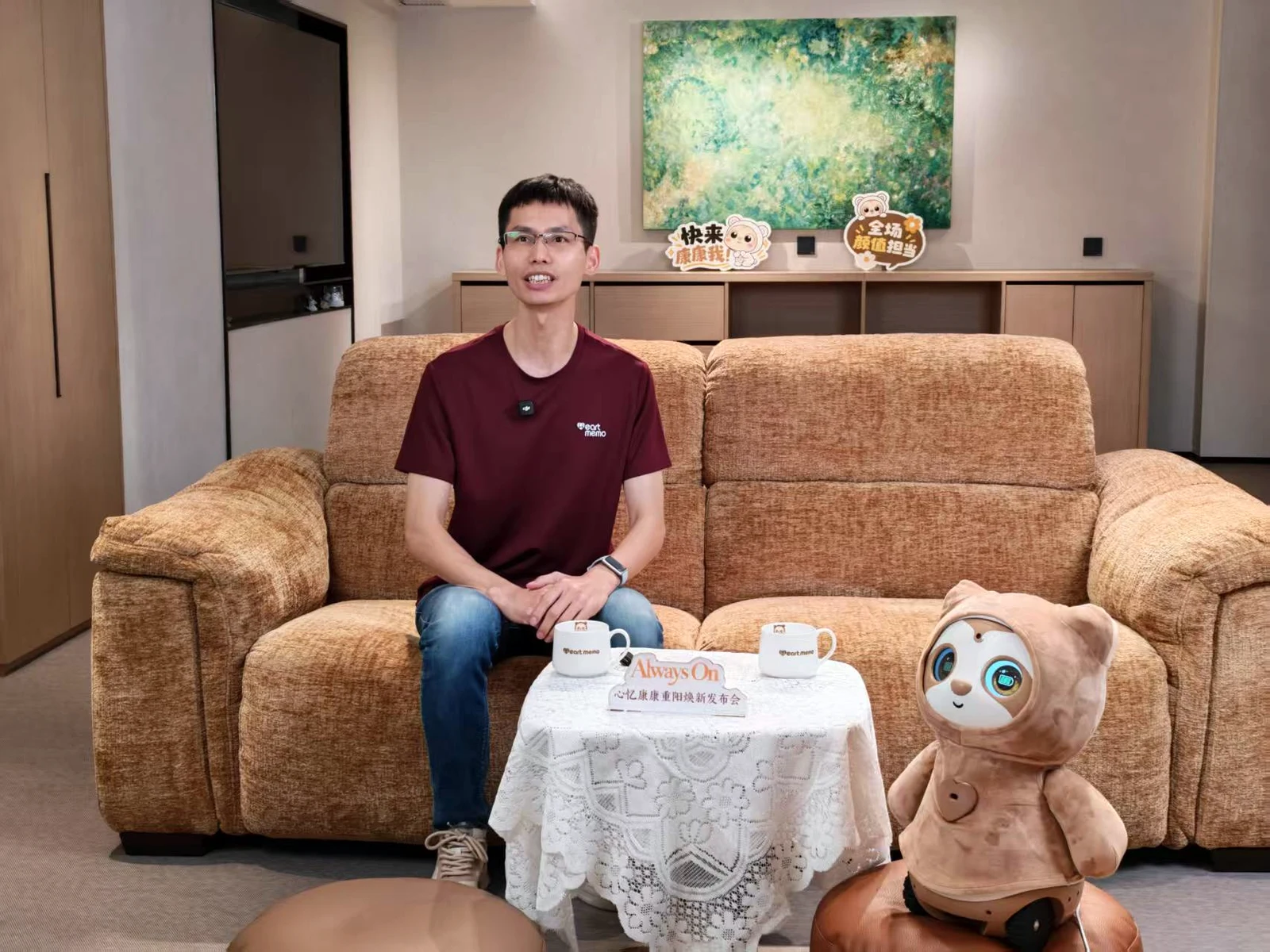
Next research priorities
Deepening decisions and action within one emotional companion brain
Heartmemo will continue developing the family companion decision engine and Lingdong mobility system as two connected research paths. One deepens understanding of people and relationships; the other addresses adaptation to real home environments.
Family companion decision engine: relationships and timing in a multi-user home
Building on three-layer, multi-user family memory, the team will further explore family-member identity, emotional cues, and relationship graphs. Research will consider who is speaking, who they refer to, and what response fits, bringing habits, relationships, and interaction timing into companion decisions.
Lingdong mobility system: adapting action to a changing home
Further research will address charging in low light, map updates after layout changes, and navigation and recovery in narrow spaces, improving coordination between conversation and movement.
Real family experiences inform the technology
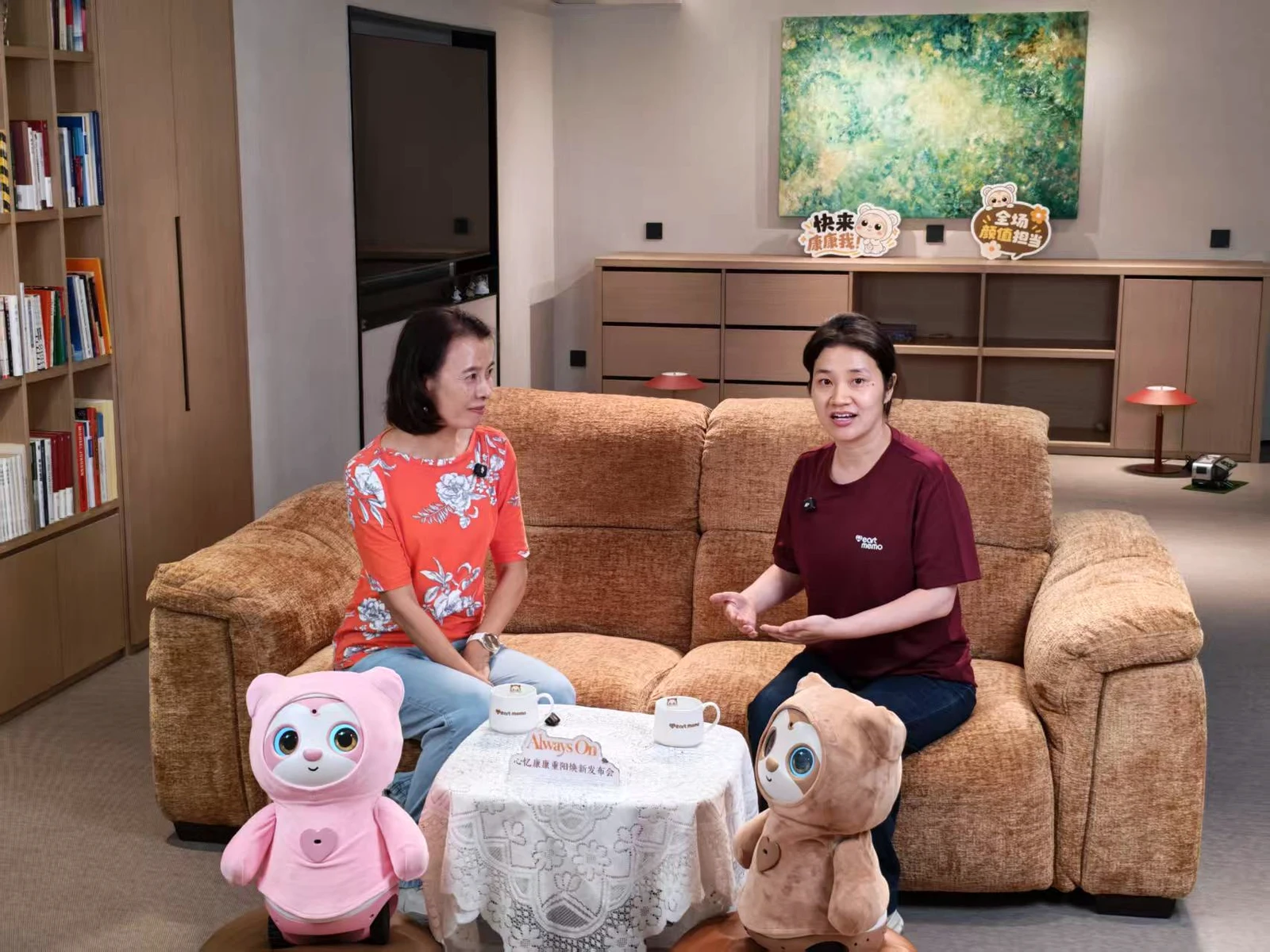
Lin Shuying, founder of the Aimili mutual-support group for families affected by dementia, and Dr. Zhou Honggui, Heartmemo’s emotional-computing architect, discussed everyday needs of older adults and caregivers. Listening, support, ease of use, privacy, and individual choice remain important considerations.
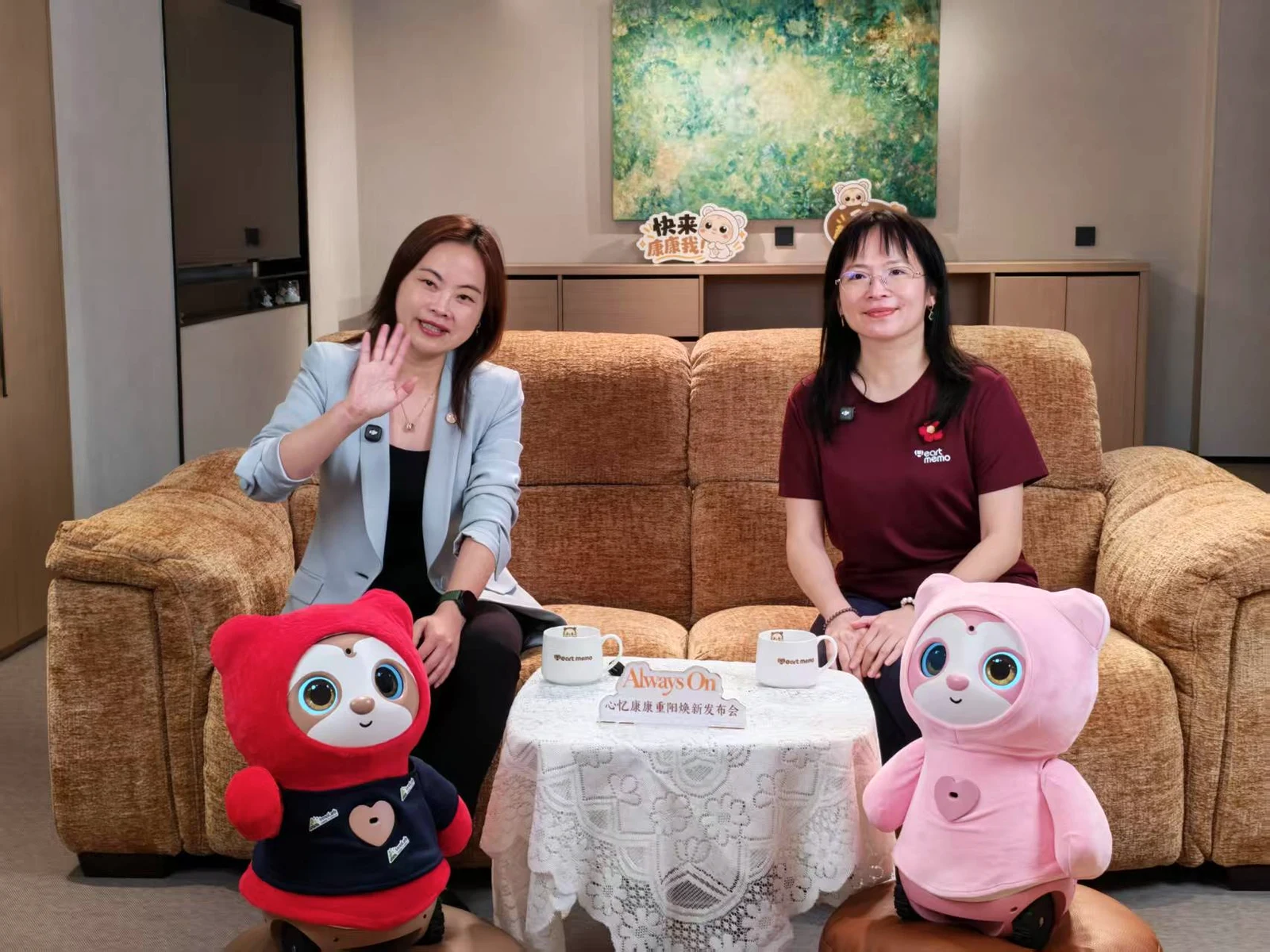
Professor Zhang Lingling—Associate Professor of Marketing at CEIBS, Associate Dean and MBA Programme Director—and Heartmemo VP Zhang Kai explored diverse needs in later life. Different experiences, social circumstances, and routines call for companionship suited to individuals. Preserving life stories and connecting family memories offer further perspectives on the long-term value of home robots.
From entering a home to understanding the family over time
Heartmemo’s approach starts with shared life in real homes. Everyday interaction, user feedback, and continued service will keep informing Kangkang’s development.
The aim of the emotional companion brain is to connect those moments: following the current conversation, understanding intent, remembering shared experiences, and coming closer at an appropriate time. Connecting people is how Heartmemo seeks to put its mission into practice.
Understanding the emotional companion brain
What is Heartmemo’s emotional companion brain?
It is an intelligent system under ongoing development for home robots, connecting multi-user family memory, BSLA companion decisions, and embodied action for companionship across everyday family life.
What are the three layers of family memory?
Layer 1 is context memory, following the current conversation. Layer 2 is intent memory, considering what the person wants to express or work toward. Layer 3 is long-term memory, connecting preferences, experiences, and relationship cues within authorized settings. All three serve different family members.
How do the decision engine and Lingdong system relate?
They are two research paths for the next stage of the same emotional companion brain. The decision engine focuses on people and relationships; Lingdong focuses on action in the physical home.
Event source: Heartmemo’s official livestream recap ↗.